Momos, Dim Sums, Dumplings, Gyoza – What is this wrapped dough with a filling really called? Let’s unravel the history behind this wrapped dough whose filling leaves us feeling mesmerized.
Dumpling has a history of more than 1800 years. It is said that a famous physician named Zhang Zhongjing had concocted dumplings in order to aid the people suffering with febrile disease which caused frostbite mainly around the ears, during the winter which was turning into an epidemic then. Zhang Zhongjing shaped the dumplings like ears and served it with soup to the people suffering and soon the frostbite was gone and so was the epidemic.
Did you know almost all Dim Sums are Dumplings and all Momos can be called Dim Sums, while not all Dim Sums can be called Momos!
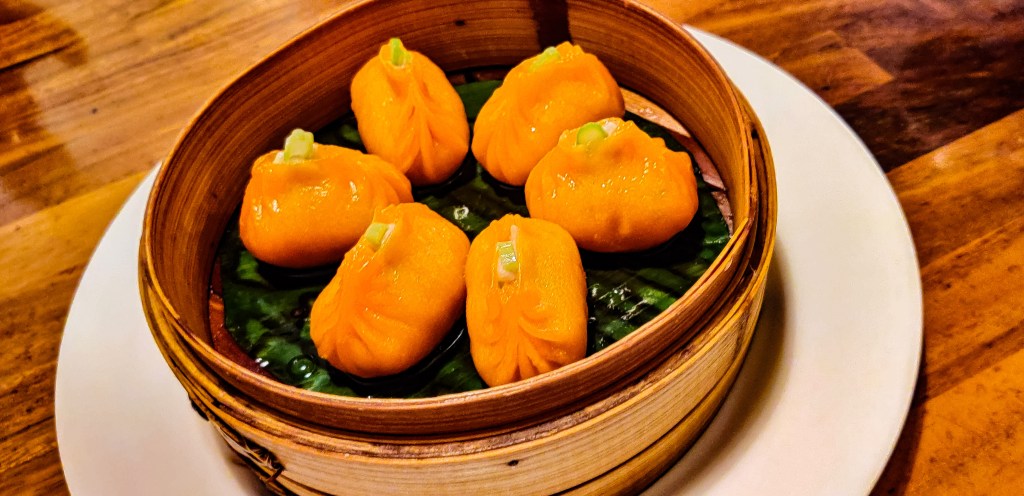
The dough used to make Dumplings can be based of bread, flour or potatoes, with or without a filling. The filling may vary as per one’s preference and may consists of fruits and sweets too, not just meat, cheese, fish or veggies. Dumplings are prepared by using either of the methods – boiling, steaming, simmering, frying or baking.
Dim sum are related to the practice of Yum-Cha which is the Cantonese tradition of brunch. Although Dim Sum literally means “to lightly touch your heart”, a more accurate translation would be “to barely fill your stomach” which makes sense. Yum-Cha practice is believed to be associated with teahouses which served to be a place of resting for travellers along the ancient Silk Road. It was only later that it was discovered – tea aided in digestion, which in turn led to the teahouse owners adding various snacks to accompany the tea. This evolved to be a modern Yum-Cha practice.
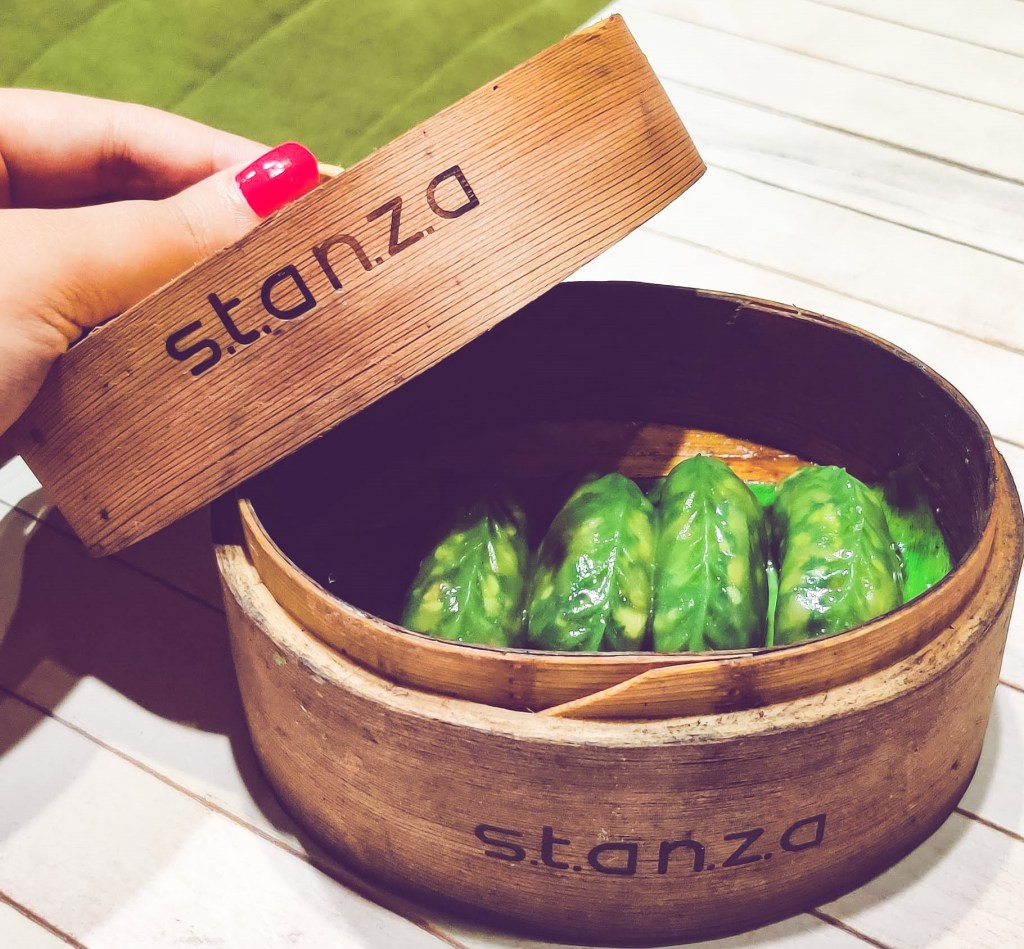
This leads us to the question as to are only Dumplings to be considered as Dim Sum? Nope. Remember how Yum-Cha practice is all about serving Chinese tea with snacks. Therefore, it includes, but is not limited to Dumplings, as it can include spring rolls, pineapple buns, steamed meatballs, lotus-leaf-wrapped sticky rice, egg tarts and so on.
Dim Sum dough and filling are the same as that of the Dumpling. However, a Dim Sum’s outer covering is either semi or fully transparent with finely diced and chopped fillings. Let me remind you that Dim Sum is all about a fine-dining affair.
Momo originated in Tibet and is considered as the unofficial national dish of Tibet. Further, it is believed that the great exodus from their homeland in the 1960’s scattered Tibetans and their cuisine across India which lead to the introduction of the humble Momo.
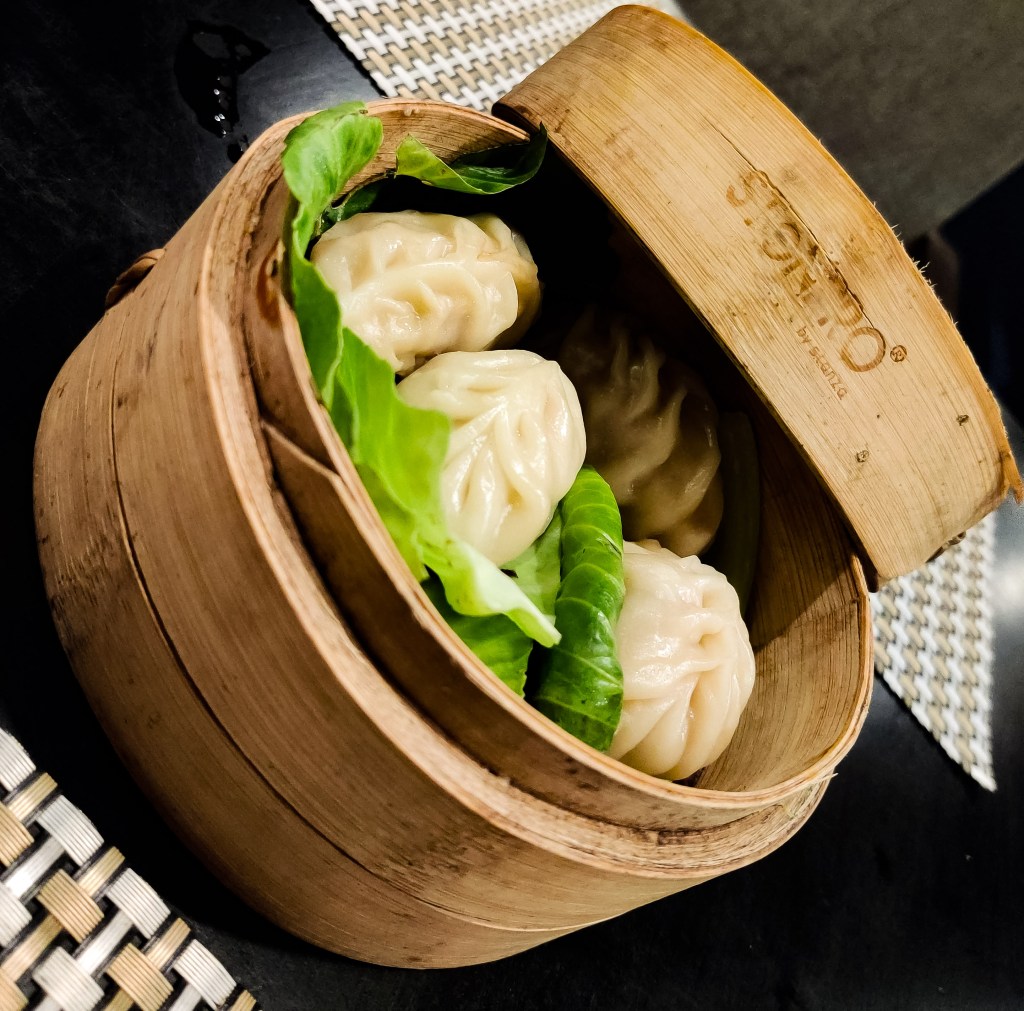
Momo is a street food which is yet to find its way in the fine dining restaurants. Thus, humbler and ubiquitous in terms of its availability. A traditional Momo is made of all purpose flour with a filling inside it and steamed.
Gyoza finds its way back to China with the invention of jiaozi. You would be surprised to know that Gyoza is nothing but the Japanese pronunciation for jiaozi. If stories are to be believed during World War II when the Japanese soldiers were quartered in China they became familiar with jiaozi. On their return to Japan they wanted to recreate jiaozi and that’s when gyoza was born.
The gyoza is wrapped in a thinly rolled piece of wheat flour kneaded dough with finely textured filling that can be boiled, steamed or pan-fried which is then traditionally served with a black vinegar and sesame oil dip.
OMG! this has been pretty intriguing and insightful, don’t you think so? Why don’t y’all drop in your comments as to which wrapped dough is you while you appease your hunger to these delicacies.


 FoodBae
Leave a comment